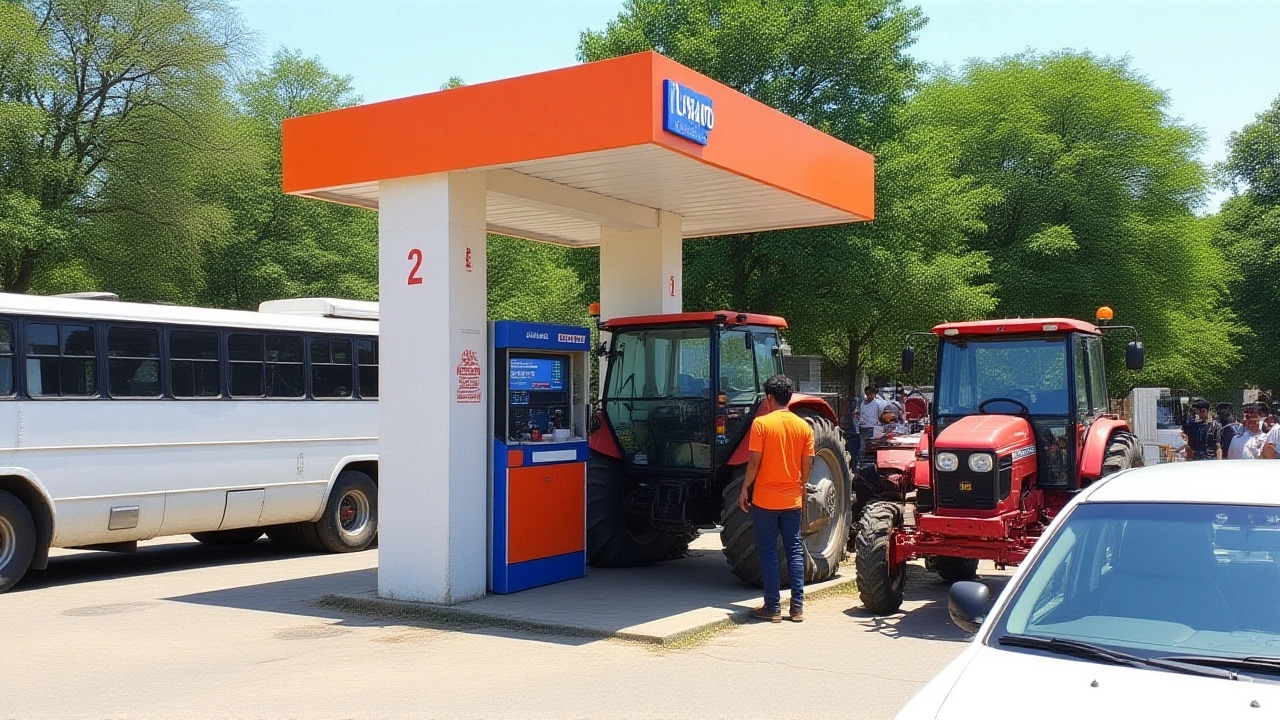
It’s the fourth time in just ten days. That’s how often Indian Oil Marketing Companies have hiked fuel prices recently, leaving commuters across India reeling. The latest surge isn’t a gentle nudge; it’s a sharp sting. Reports indicate that within this short two-week window, the cumulative cost of petrol and diesel has jumped by anywhere from ₹7 to over ₹8 per liter.
Here’s the thing about these hikes: they happen quietly, usually at midnight, but the noise they make in household budgets is deafening. While global crude oil trends play a role, the frequency of these adjustments suggests something more aggressive is happening behind the scenes. For the average citizen trying to stretch their monthly salary, this rapid escalation feels less like market correction and more like a penalty for existing.
The Numbers Behind the Pain
Let’s look at the specifics because vague numbers don’t help when you’re standing at a pump. According to recent video reports circulating on news platforms, the most recent adjustment saw petrol prices rise by exactly ₹2.61 per liter. Diesel followed closely, ticking up by ₹2.71 per liter. These aren’t rounding errors; they are precise calculations that add up quickly.
If you do the math, the pattern becomes clear. Over the last ten days, we’ve seen four distinct price increases. One source claims the total hike has exceeded ₹8, while another conservative estimate puts it at ₹7. Whether it’s seven or eight rupees, the trajectory is unmistakably upward. This volatility means that a tank fill-up that cost ₹5,000 a fortnight ago might now push past ₹5,300 or higher, depending on your vehicle’s efficiency.
But wait—why such frequent changes? Typically, fuel prices in India are revised daily based on international crude rates and currency fluctuations. However, clustering four hikes into a ten-day period is unusual. It suggests that either international benchmarks spiked sharply, or domestic factors like tax structures and dealer margins are being adjusted simultaneously.
Who Is Pulling the Strings?
The blame game is already starting. News reports explicitly state that "oil companies" implemented these hikes today. But who exactly are we talking about? We’re looking at the big three: Indian Oil Corporation (IOC), Bharat Petroleum Corporation Limited (BPCL), and Hindustan Petroleum Corporation Limited (HPCL).
These public sector undertakings (PSUs) operate under government ownership but manage pricing with significant autonomy. They argue that rising international crude prices force their hand. Yet, critics point out that if crude prices were stable, why would they hike prices four times in ten days? There’s a suspicion among economists that these companies are using the dynamic pricing mechanism to boost profit margins rather than just passing on costs.
Interestingly, there’s no specific mention of any single minister or official defending these moves in the immediate reports. The silence from the political front is telling. Usually, when fuel prices spike, we hear quick rebuttals from finance ministries citing global markets. The absence of such commentary leaves consumers feeling abandoned.
The Ripple Effect on Inflation
Fuel prices don’t exist in a vacuum. When petrol and diesel get expensive, everything else does too. Transport costs rise first. Then, logistics companies pass those costs to retailers. Finally, you pay more for vegetables, electronics, and even services. This is known as secondary inflation.
Consider this analogy: fuel is the blood of the economy. If the flow gets expensive, every organ suffers. With transport costs likely to increase due to this ₹7–₹8 per liter jump, expect grocery bills to tick up within weeks. The Reserve Bank of India will be watching this closely, as persistent inflation can derail broader economic recovery plans.
For small business owners who rely on personal vehicles for deliveries or client visits, this is a direct hit to their bottom line. A delivery driver making twenty trips a day could see an additional expense of over ₹500 just in fuel costs compared to two weeks ago. That’s money taken directly from wages or profits.
What Comes Next?
The details are still unclear regarding future trends. Will this be the peak, or is more pain coming? Historically, fuel prices tend to remain sticky once they rise. They rarely drop back down quickly unless there’s a dramatic fall in global crude prices or a political intervention reducing taxes.
Experts suggest keeping an eye on Brent crude futures and the USD-INR exchange rate. If the dollar strengthens against the rupee, imports become costlier, potentially triggering another round of hikes. Conversely, if geopolitical tensions ease, we might see stabilization. But right now, the momentum is firmly with the sellers.
Consumers should brace themselves. Until the government intervenes with tax cuts or subsidies, the trend looks set to continue. Carpooling, public transport, and electric vehicle adoption aren’t just eco-friendly choices anymore; they’re financial necessities.
Frequently Asked Questions
How much did fuel prices increase in the last 10 days?
Reports indicate that fuel prices have increased cumulatively by between ₹7 and over ₹8 per liter in the last ten days. This includes four separate price hikes, with the most recent seeing petrol rise by ₹2.61 and diesel by ₹2.71 per liter.
Why are fuel prices increasing so frequently?
While international crude oil prices influence daily revisions, the frequency of four hikes in ten days suggests additional factors. Analysts believe oil marketing companies may be adjusting margins or responding to currency fluctuations, though exact reasons vary by company strategy.
Which companies are responsible for these price hikes?
The major public sector oil marketing companies—Indian Oil Corporation (IOC), Bharat Petroleum Corporation Limited (BPCL), and Hindustan Petroleum Corporation Limited (HPCL)—are responsible for setting and implementing these retail fuel prices across India.
Will these fuel hikes affect other goods prices?
Yes, significantly. Higher fuel costs increase transportation and logistics expenses. These costs are typically passed down the supply chain, leading to higher prices for groceries, manufactured goods, and services, contributing to broader inflation.
Is the government planning to intervene?
There is currently no official announcement of government intervention such as tax cuts or subsidies. However, political pressure often mounts during prolonged price surges, which could lead to policy reviews in the coming weeks if prices continue to rise.